
Glass Balcony Railing Replacement & Installation
We replace and install glass balcony railings across Boca Raton and South Florida — on single homes, and on condo buildings working through a milestone inspection or a reserve study that has flagged the guardrails. Frameless where the slab edge can carry it, aluminum posts with glass infill where it cannot. Every run gets measured at the edge it is going on, because balcony slabs are rarely as square as the drawings say.
Systems We Install
Frameless (Spigot-Mounted)
Glass anchored from below with stainless spigots. The cleanest possible look for waterfront balconies where the view is the whole point.
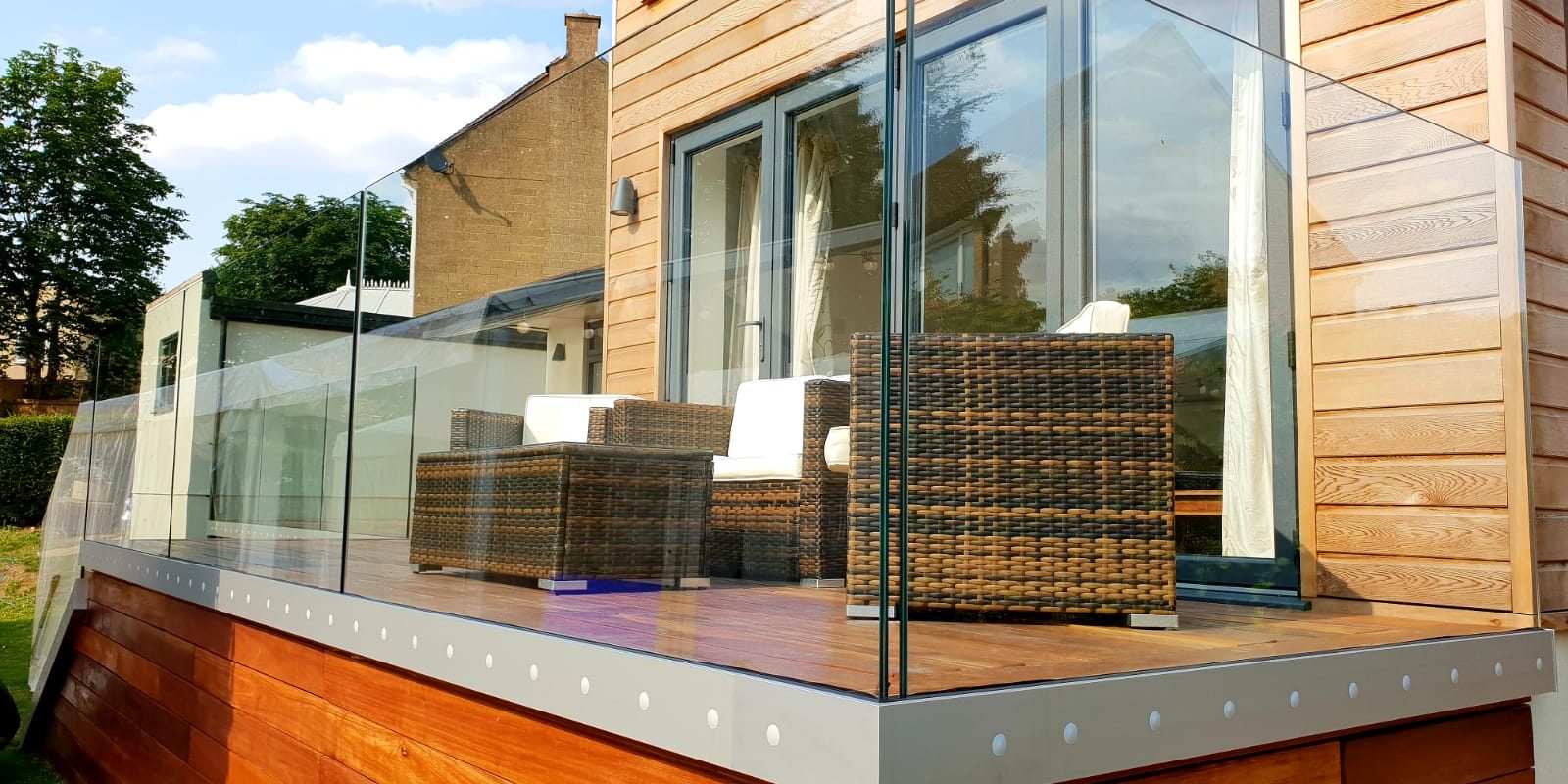
Fascia-Mounted
Panels fixed to the outer edge of the balcony slab. Frees up the entire deck surface and gives the railing a floating appearance from outside.
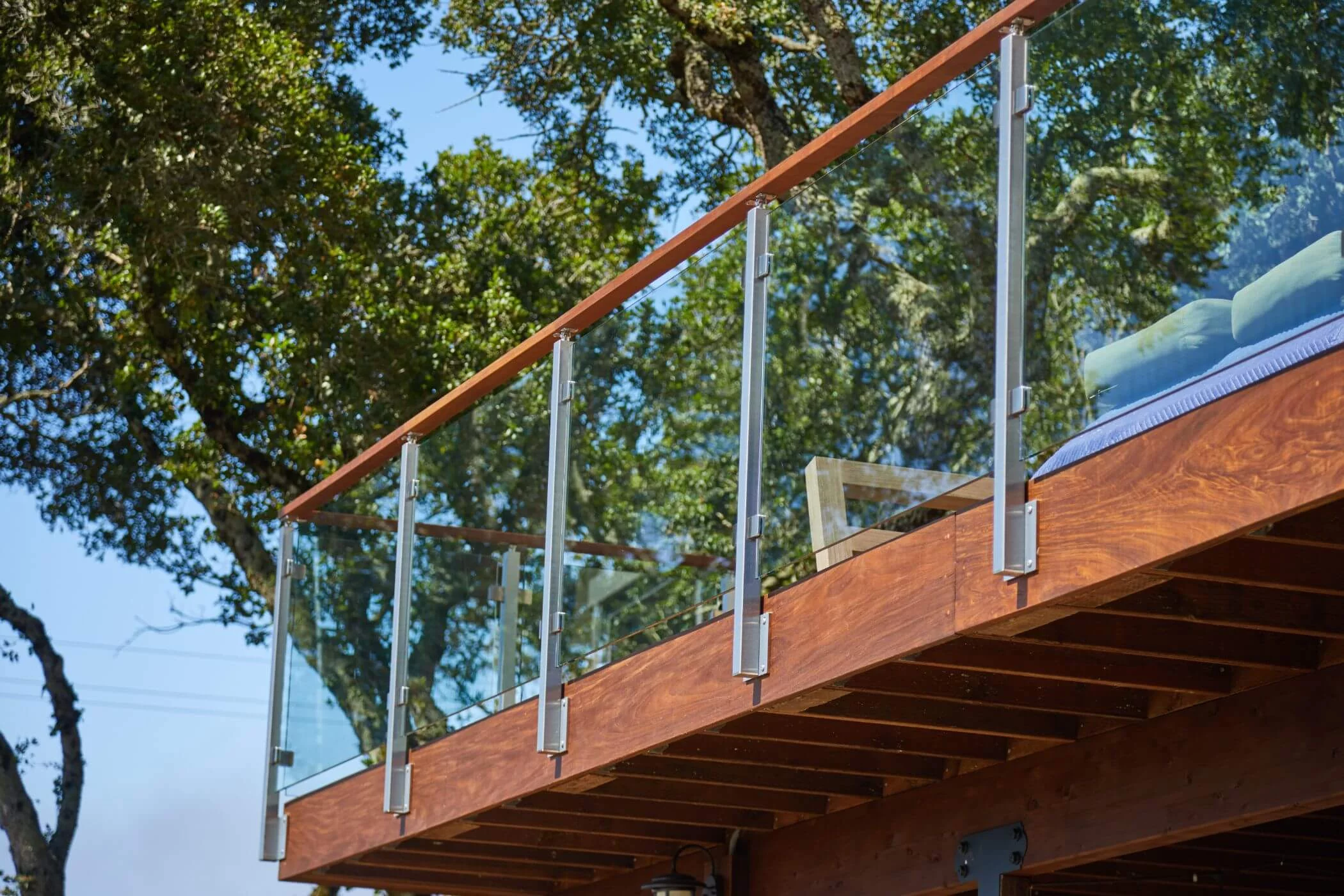
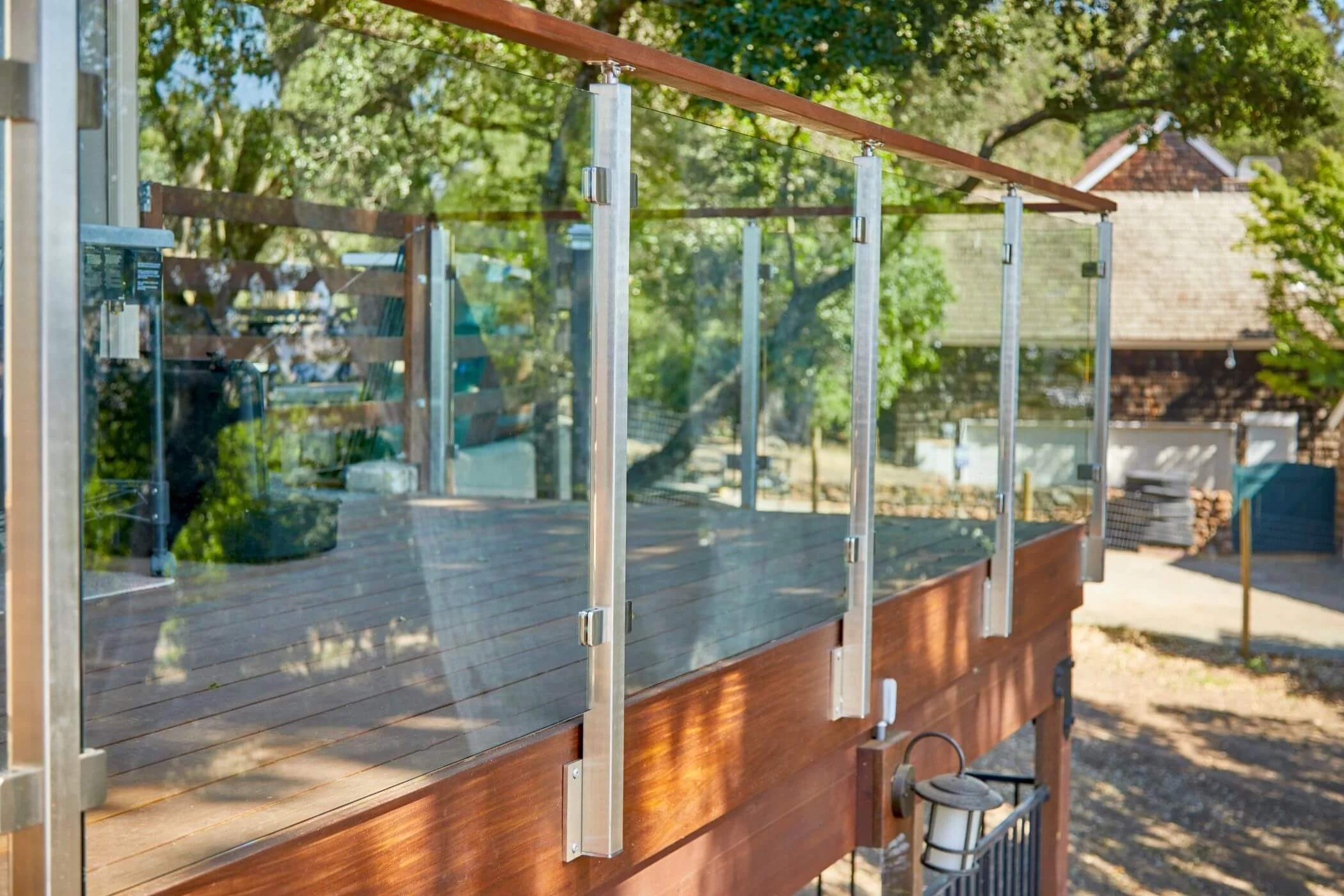
Post-Mounted with Top Rail
Slim stainless posts with glass infill and a continuous top rail. The most economical option and the strongest choice for long runs and high-rise exposure.
Engineered for Florida Wind Loads
Balcony railings face conditions interior stairs never do — sustained wind, hurricane-season gusts, and constant salt exposure. Florida’s building code sets guard height, opening limits, and load requirements, and Broward and Miami-Dade fall within the High-Velocity Hurricane Zone with stricter standards again. Every system is specified for the exposure your property actually faces — an exterior glass railing system on a tenth-floor oceanfront balcony and one on a ground-level terrace are not the same specification.
- Guard height and opening limits per the Florida Building Code
- Wind-load engineering for coastal and high-rise exposure
- HVHZ requirements for Broward and Miami-Dade projects
- Marine-grade stainless hardware for direct salt exposure
- Structural review of the slab or substrate before installation
- Permit and inspection requirements confirmed before we build
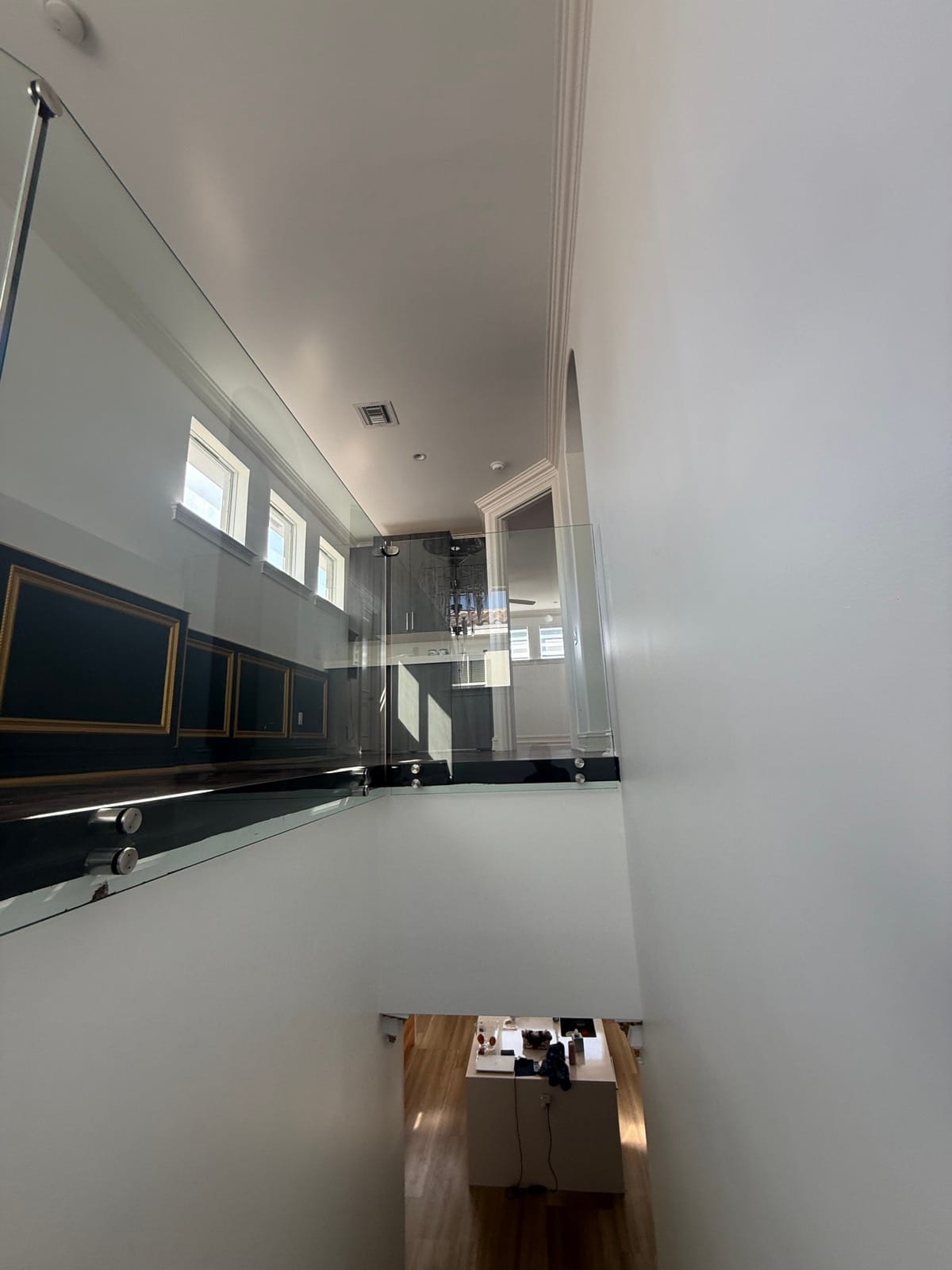
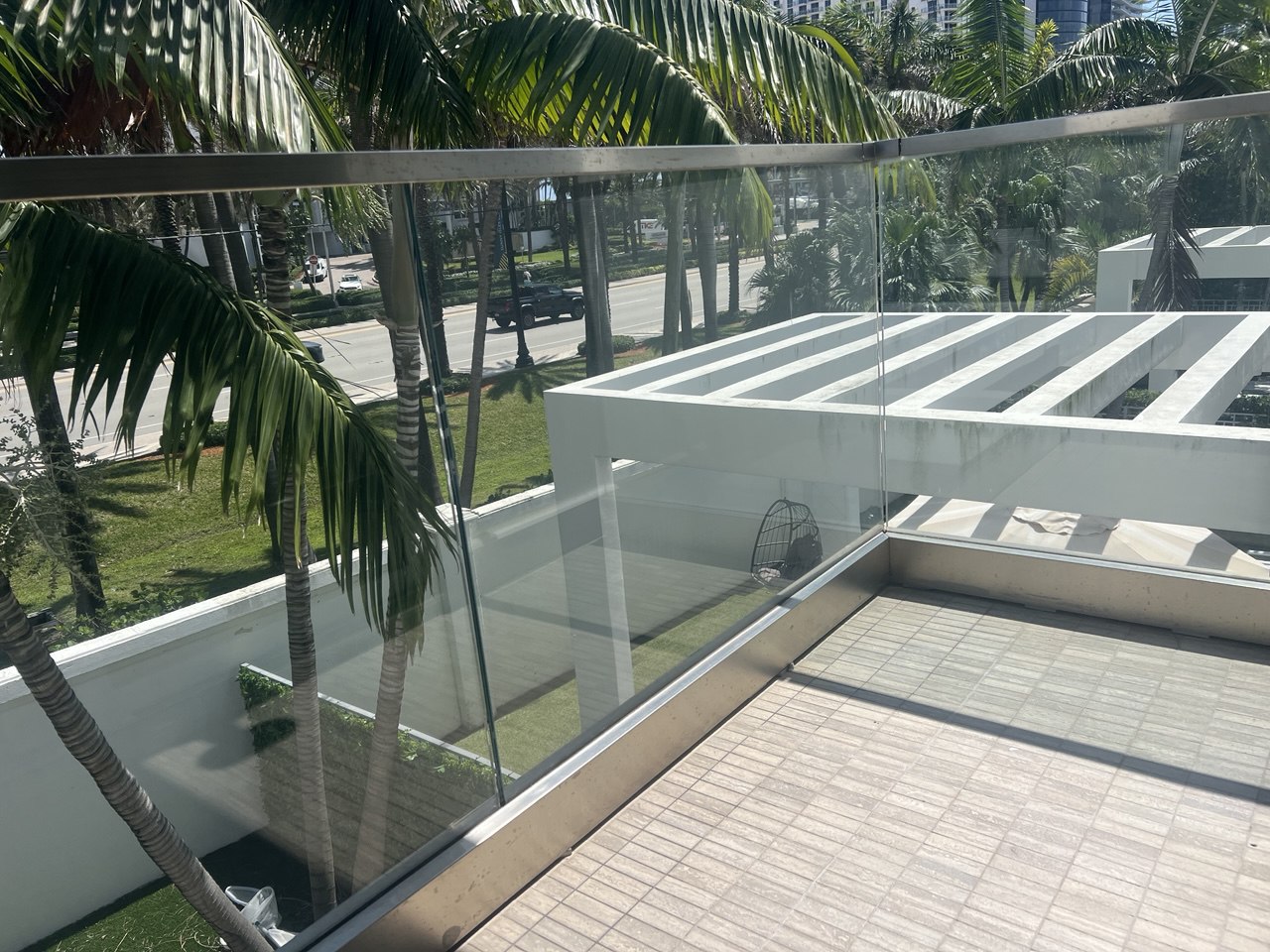
Recent Balcony Projects
Glass, Hardware & Finishes
Glass Balcony Railing Installation Across Boca Raton & South Florida
Safe Railing is a railing contractor based in Boca Raton. We design, fabricate, and install frameless and post-mounted glass balcony railing systems — outdoor glass railing for balconies, terraces and walkways — for waterfront homes, condominiums, and commercial properties throughout South Florida. Whether you’re replacing corroded aluminum railings on an oceanfront balcony or specifying glass for a new terrace, each system is measured on-site and engineered for the wind exposure and salt conditions at your specific property.
Every project starts with a free on-site consultation by appointment. We assess the slab edge, mounting conditions, and exposure, then build to Florida Building Code guard and wind-load requirements using marine-grade stainless hardware.
We install glass balcony railings in Boca Raton, West Palm Beach, Pompano Beach, Delray Beach, Deerfield Beach, Boynton Beach, Fort Lauderdale, and surrounding communities across Palm Beach and Broward counties.
We also install glass stair railings, glass pool fences, and pool railings and handrails across South Florida.
Balcony Railing Replacement on Condo Buildings
Most balcony railing work in South Florida is replacement rather than new build. A building goes through its milestone inspection or a structural reserve study, the report flags the guardrails, and the association needs a number and a schedule it can put in front of the board. We quote that work the way a board has to approve it — railing scope on its own line, separated from whatever concrete or waterproofing is happening at the same time.
An occupied building changes the job more than the railing does. People stay in their units while the work runs, so balconies come off in groups instead of all at once, and residents need to know which week theirs is open. Access runs on whatever the building allows — service elevator hours, protection through the corridors, staging where the association says it can sit.
The slab edge is the part nobody can price off a drawing. Older balconies have been patched, re-poured, or had the original railing cut out and filled, and that edge condition decides whether frameless spigots are available at all or whether the run goes to posts. We check a sample of the balconies before pricing the rest, because a building that needs edge repair first is a different project from one that does not.
If your association is working through a report that flagged the railings, send us the relevant pages and we will come out and tell you what the balconies will actually take.
Who Decides, in a Condo
On a condo balcony the railing is rarely only your decision. Most associations treat the exterior face of the building as common property, so the system, the glass tint and the post finish go through architectural approval before anything is ordered. The inside of the balcony is usually yours. Where that line sits is written in the declaration, not in the building code.
It also changes who we are working for. Sometimes it is the unit owner and the association signs off on the spec. Sometimes the association hires us for a whole stack or an entire elevation, and the owners get a schedule rather than a quote. Balcony railing contractors who have not worked on condo buildings before tend to learn this at the wrong moment — once the glass has been cut to a spec nobody approved.
So the first thing we ask for on a condo job is the approved spec, or the existing railing’s details where there is no spec yet. If the association has a standard, we build to it. If it does not, we put the system, glass thickness, finish and anchoring method in writing, so the board has a document to approve instead of a verbal description of someone’s balcony.
Glass Balcony Railing FAQ
Make An Appointment
Ready to Open Up Your Balcony View?
Tell us about your balcony — we’ll schedule a free on-site measurement and get back to you with an upfront quote.
Every day
9:00 AM – 8:00 PM
Call us directly