
Glass & Aluminum Railing Contractor in Boynton Beach
Frameless glass and powder-coated aluminum railings for waterfront balconies, staircases and pool decks across Boynton Beach — from waterfront condos near the Boynton Harbor Marina to the gated golf and 55-plus communities further inland.
Email Us
info@saferailingfl.com
we are open
9:00 AM – 8:00 PM
location
1900 Glades Rd, Boca Raton, FL 33431
Boynton Beach asks more of a railing than most cities. From the waterfront condos near Boynton Harbor Marina to the canal homes off the Intracoastal, salt air works on hardware year-round. Boynton has an unusually high share of condo and HOA communities — from Leisureville and Village Royale to gated golf clubs like Hunters Run — and in those, railing balconies come with association rules and inspection schedules. Anything visible from the exterior runs through the city’s architectural review before work can begin.
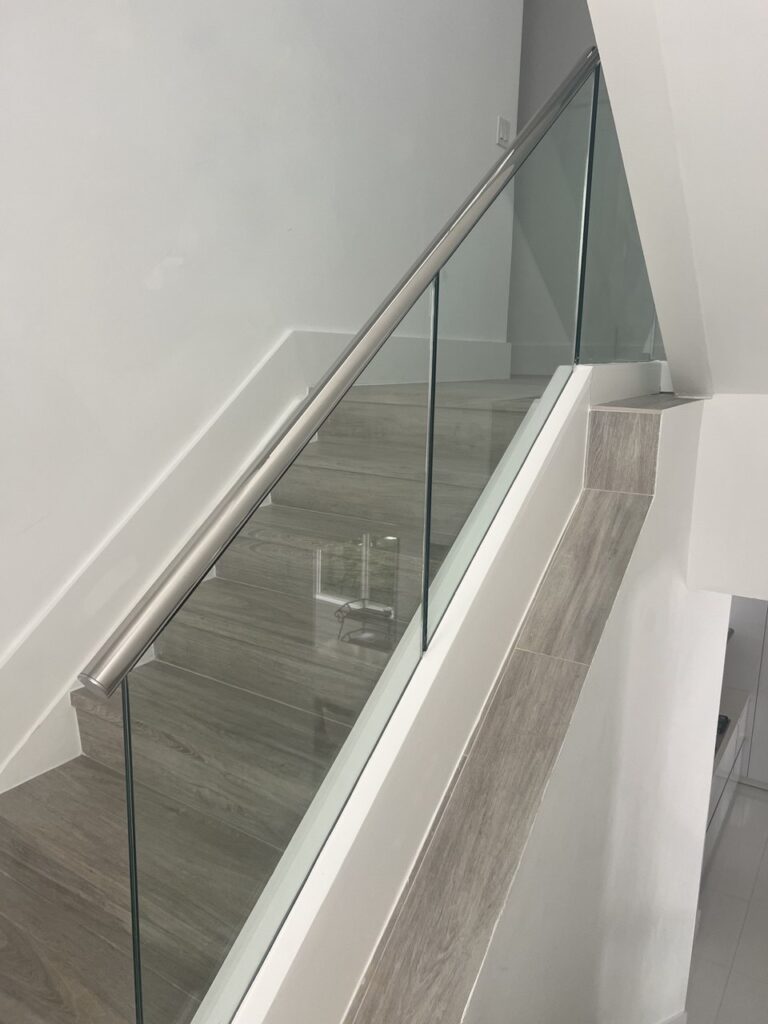
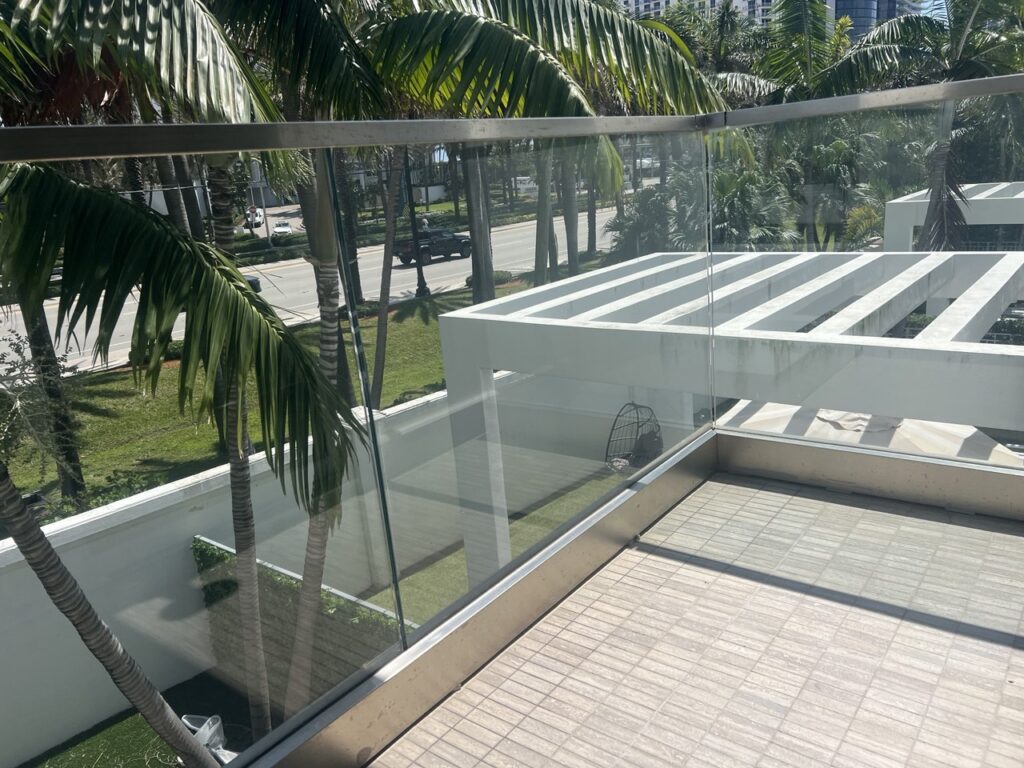
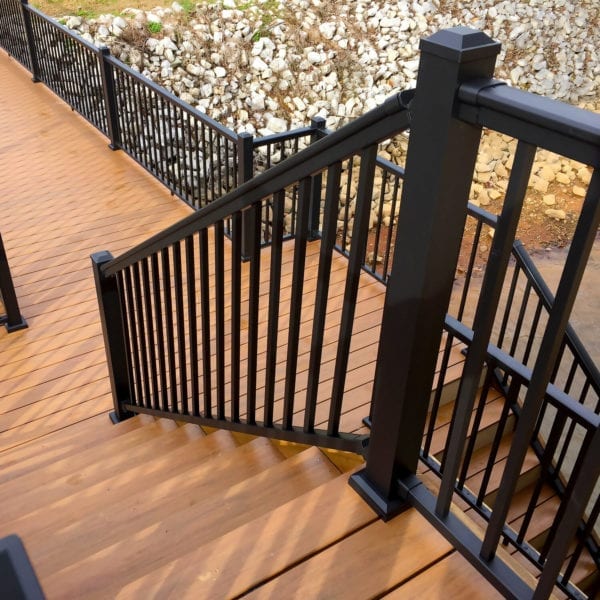
Safe Railing designs, fabricates and installs glass and aluminum railing systems throughout Boynton Beach — frameless glass balcony and stair railings, glass pool barriers built to Florida’s safety code, and powder-coated aluminum for exterior stairs and long perimeter runs. Our shop is in Boca Raton, about twenty-five minutes north on I-95, which keeps site visits and service calls easy to schedule.
Why Choose Us
Railings Built For Boynton Beach Properties
Waterfront exposure, association approvals and historic district review all shape what can actually be installed here — and all three are decided before fabrication, not after. We measure on site, specify the hardware grade for the property’s exposure, and tell you which approvals the project needs before anything is ordered.
Our Services
Railing services in Boynton Beach
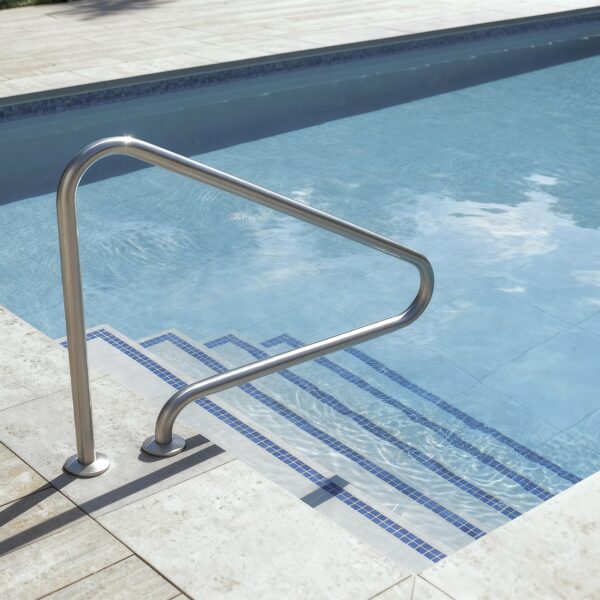
Pool railings
Corrosion-resistant grab rails and handrails for pool steps and deck entries on coastal properties.
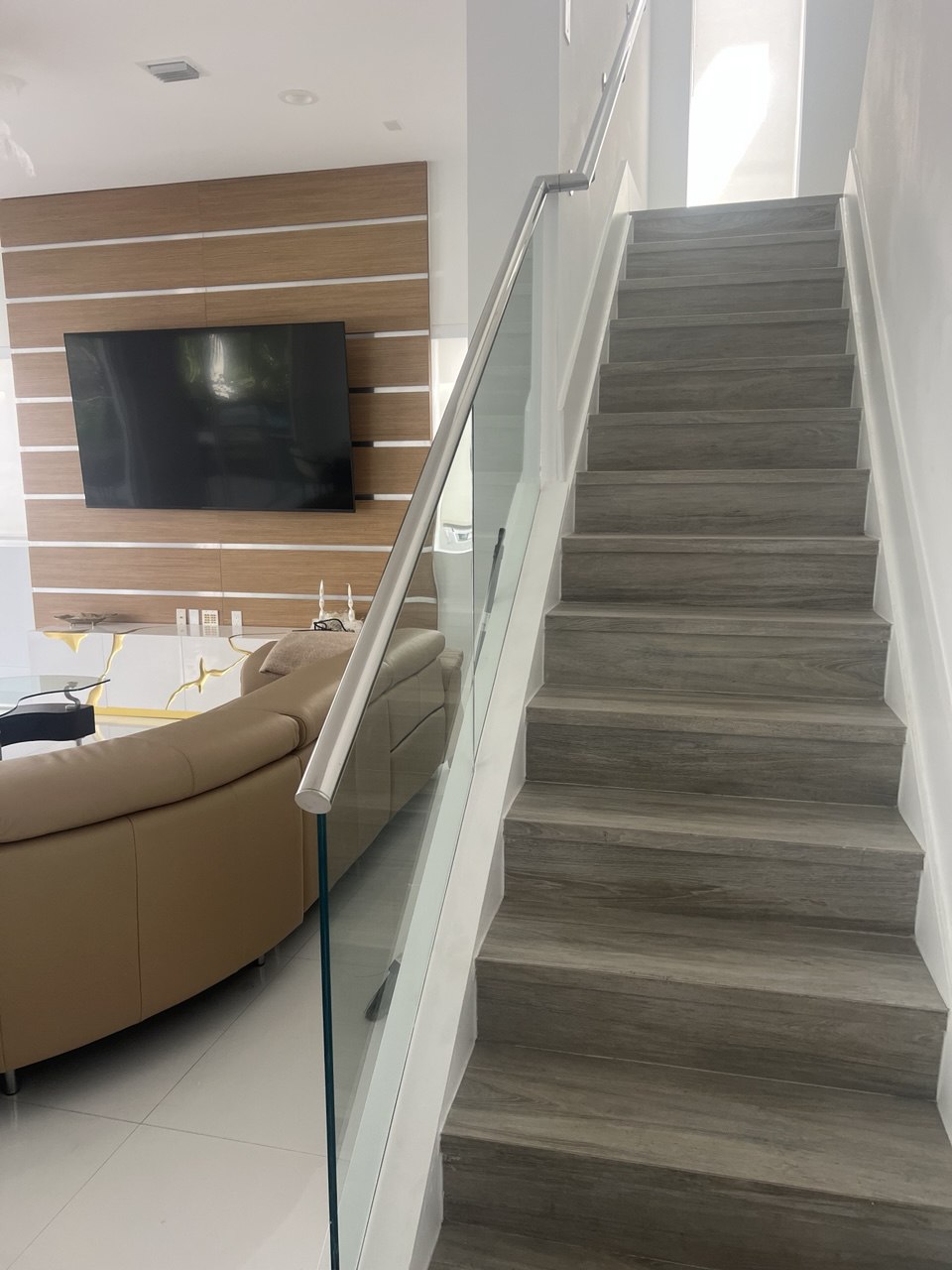
What Boynton Beach Properties Actually Need
Ocean Avenue historic sites and association rules both apply
Boynton Beach has designated historic sites and districts concentrated around Ocean Avenue and the historic downtown core, alongside dozens of condo and HOA communities with their own architectural rules. In these neighborhoods, exterior changes visible from the street typically require a Certificate of Appropriateness from the city’s historic preservation program. Smaller projects are often handled at staff level; larger or more visible work goes to the Historic Resources Preservation Board.
For a railing, that means the design conversation and the approval conversation are the same conversation. A frameless glass system that would be unremarkable on a 2010 townhome may need a different approach on a 1920s Mediterranean Revival house where the board is looking at proportions and character-defining details. We identify whether a property sits inside a district before quoting, and we say plainly what that adds to the timeline. Requirements and thresholds are set by the city — confirm your specific address with the city’s Historic Resources Preservation Board.
Outside the HVHZ, but the engineering still has to be shown
Florida’s High-Velocity Hurricane Zone covers Miami-Dade and Broward counties. Boynton Beach sits in central Palm Beach County, comfortably outside the HVHZ that covers Broward and Miami-Dade to the south — so product-approval requirements differ from those in Pompano Beach and Fort Lauderdale further down the coast.
That is not a licence to under-specify. Exterior railings here are still engineered to the wind loads for the specific property, and waterfront and high-rise locations carry higher exposure than a sheltered inland patio. Glass thickness, anchor type and post spacing follow from the property, its height and what the railing is anchored into — not from the county line.
Inland communities and the Intracoastal need different hardware
Boynton Beach stretches from the barrier island several miles inland, and the hardware spec changes along the way. Near the ocean and the Intracoastal, salt carries far enough that builder-grade spigots and clamps pit and weep rust within two or three seasons, staining the deck below — there, 316 marine-grade stainless is the specification, not an upgrade. Out in the western communities off Military Trail and Jog Road, a powder-coated aluminum system holds up without paying the stainless premium. We check which side of that line your address actually sits on before quoting hardware. The trade-offs between the two materials are covered in our glass vs aluminum guide.
Community pools, clubhouses and shared walkways follow association rules
Much of the railing work in Boynton Beach happens inside association communities — Hunters Run, Leisureville, Village Royale on the Green, Sterling Village, Quail Run. These are rarely one owner’s decision. Shared walkways, clubhouse steps and community pool barriers belong to the association, so the first question is who owns the railing and which committee signs it off. Associations also set work hours, contractor insurance minimums and a finish standard the new railing has to match across the rest of the property. We put the submittal together — drawings, product approvals, insurance certificates — so the board has what it needs at the first meeting instead of the second.
Handrail height matters more in a 55-plus community
In communities built for residents ageing in place, the handrail is the part people actually use. Florida’s code puts the graspable handrail between 34 and 38 inches above the stair nosing, and the profile has to be something a hand can close around rather than a flat top rail. On clubhouse steps and pool entries we add a return at each end so a sleeve cannot catch on the end of the rail — not required on a private house, but it prevents the most common fall in a shared space. Where a run guards a walkway rather than a stair, guard height takes over at 42 inches in a multifamily building.
Community pool barriers follow the pool rules, not the guard rules
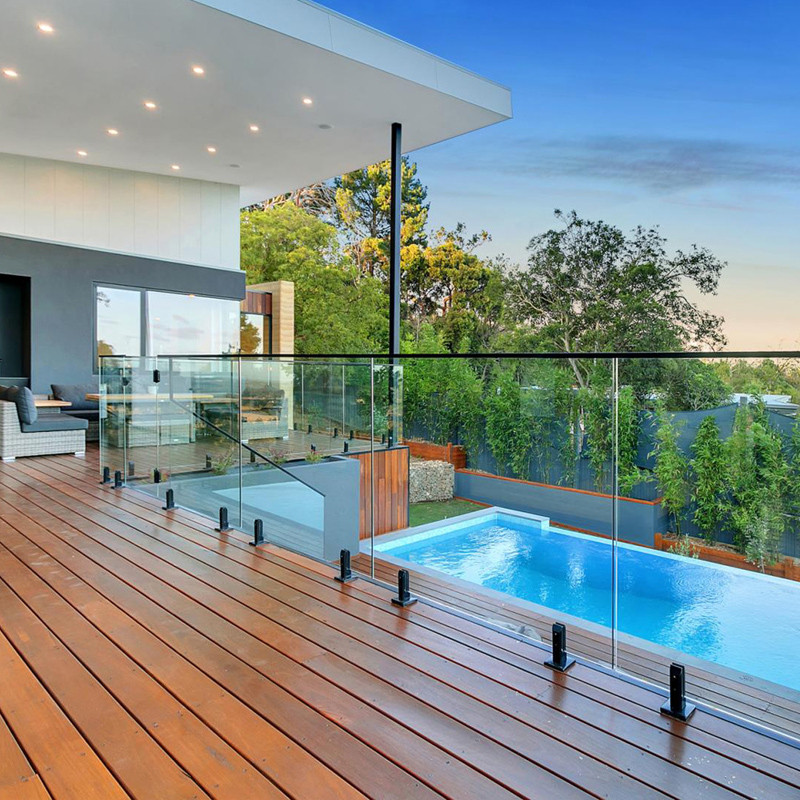
A barrier around a shared pool is a different item from a balcony guard, and associations get caught by this regularly. The pool barrier has its own minimum height, its own limit on openings, and gates that must self-close and self-latch with the latch out of a child’s reach. A frameless glass panel system meets all of it and keeps the water visible from the deck, which is usually what the board wants. We quote the barrier and the surrounding handrails as separate lines, so the association can see which part is a safety requirement and which part is a choice.
If a milestone or structural inspection report already exists for the building, it should be reviewed before the railing is priced. Findings about the slab edge or existing anchors change the project — and we won’t set new anchors into concrete that isn’t sound.
our process
How a Boynton Beach Railing Project Works
Service Areas
Neighborhoods We Cover in Boynton Beach
Downtown & Town Square · Ocean Avenue · Boynton Harbor Marina · Leisureville · Village Royale on the Green · Sterling Village · Hunters Run · Quail Run · Golfview Harbour · Chapel Hill · Las Palmas · Harbor Estates
We also cover Palm Beach Island, Lake Worth Beach, Lantana and North Palm Beach from the same schedule.
Trusted By Over 200+ Clients
58
Projects done
4+
years of experience
testimonials
Trusted By Homeowners in Boynton Beach & Palm Beach County
Rated 5.0 on Google. Here’s what homeowners across Boynton Beach, Boca Raton and the surrounding coast say about working with Safe Railing.






















Permits, Historic Review and Code in Boynton Beach
Replacing an existing railing is not automatically permit-exempt, particularly when the mounting surface or structural attachment changes. Requirements differ between the City of Boynton Beach and unincorporated Palm Beach County, and condominium properties usually need association approval alongside the permit.
If the property is in a designated historic district, there is an additional step. Exterior work that changes what’s visible from the street typically requires a Certificate of Appropriateness before the building permit proceeds. Coordinating the two matters — starting work before the COA is issued creates a problem that is far more expensive to unwind than to avoid.
Pool barriers are governed separately again. A standard deck railing does not automatically qualify as a pool fence: height, gap limits and gate operation are set by Florida’s Residential Swimming Pool Safety Act. If a pool is part of the project, start with our guide to Florida pool fence code requirements.
We confirm the exact requirements with the city before fabrication, and the written quote states which approvals are our responsibility and which are yours.
FAQ
Frequently Asked Questions
Still have questions?
Not Sure Which Railing Is Right For Your Boynton Beach Property?
Glass or aluminum? We break down the real pros, cons and costs for waterfront South Florida homes — including how Intracoastal salt air and Palm Beach County wind-load requirements affect the choice.
Make An Appointment
Get a Free On-Site Quote in Boynton Beach
Send your address and a few photos of the installation area, or call and we’ll arrange a site visit. We’ll measure, check the mounting conditions, confirm whether historic review applies, and tell you exactly what the project needs before anything is ordered.
Every day
9:00 AM – 8:00 PM
Call to ask any question