
Glass & Aluminum Railing Contractor in Fort Lauderdale
Frameless glass and powder-coated aluminum railings for waterfront balconies, staircases and pool decks across Fort Lauderdale — from the downtown high-rises along Las Olas to the canal-front homes of the finger isles and the oceanfront towers on A1A.
Email Us
info@saferailingfl.com
we are open
9:00 AM – 8:00 PM
location
1900 Glades Rd, Boca Raton, FL 33431
Fort Lauderdale asks more of a railing than most cities. Known as the “Venice of America,” Fort Lauderdale has more than 300 miles of canals — and with them, endless balconies, docks, seawalls and terraces facing the water. Salt air and constant humidity work on hardware year-round, and as a Broward County city, Fort Lauderdale sits inside the High-Velocity Hurricane Zone, so exterior railings are held to the strictest wind-load standards in Florida. Downtown high-rises and the waterfront HOAs add their own approval steps, so anything visible from the exterior runs through the city’s architectural review before work can begin.
Safe Railing designs, fabricates and installs glass and aluminum railing systems throughout Fort Lauderdale — frameless glass balcony and stair railings, glass pool barriers built to Florida’s safety code, and powder-coated aluminum for exterior stairs and long perimeter runs. Our shop is in Boca Raton, about thirty minutes south on I-95, which keeps site visits and service calls easy to schedule.
Why Choose Us
Railings Built For Fort Lauderdale Properties
Waterfront exposure, association approvals and historic district review all shape what can actually be installed here — and all three are decided before fabrication, not after. We measure on site, specify the hardware grade for the property’s exposure, and tell you which approvals the project needs before anything is ordered.
Our Services
Railing services in Fort Lauderdale
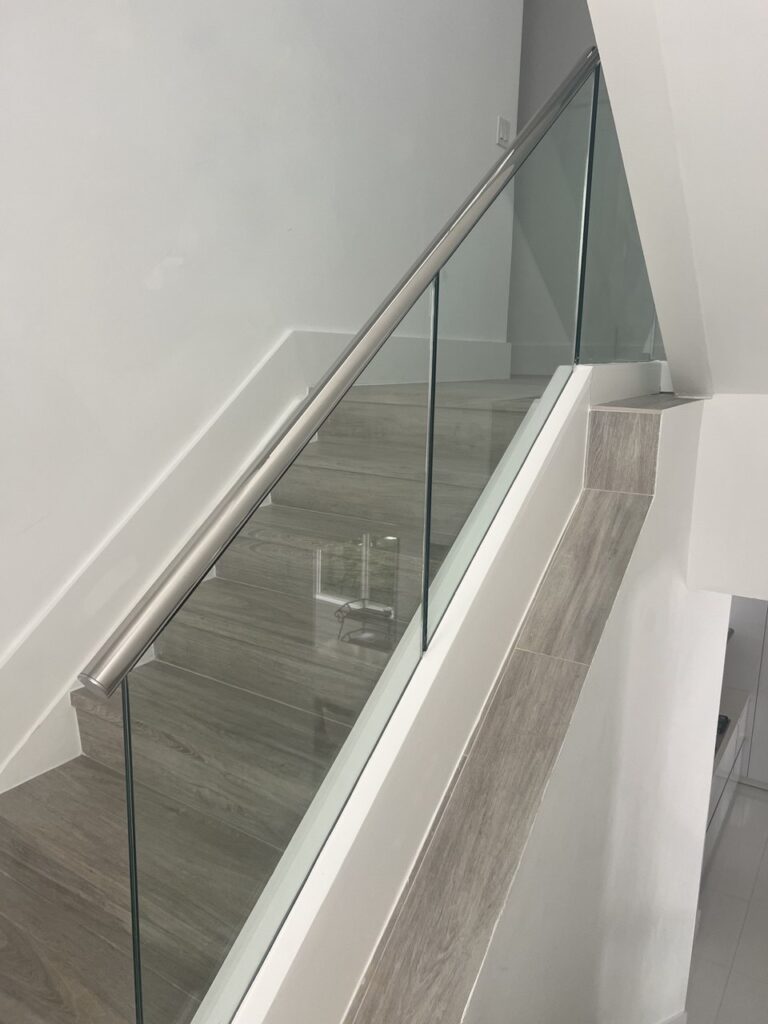
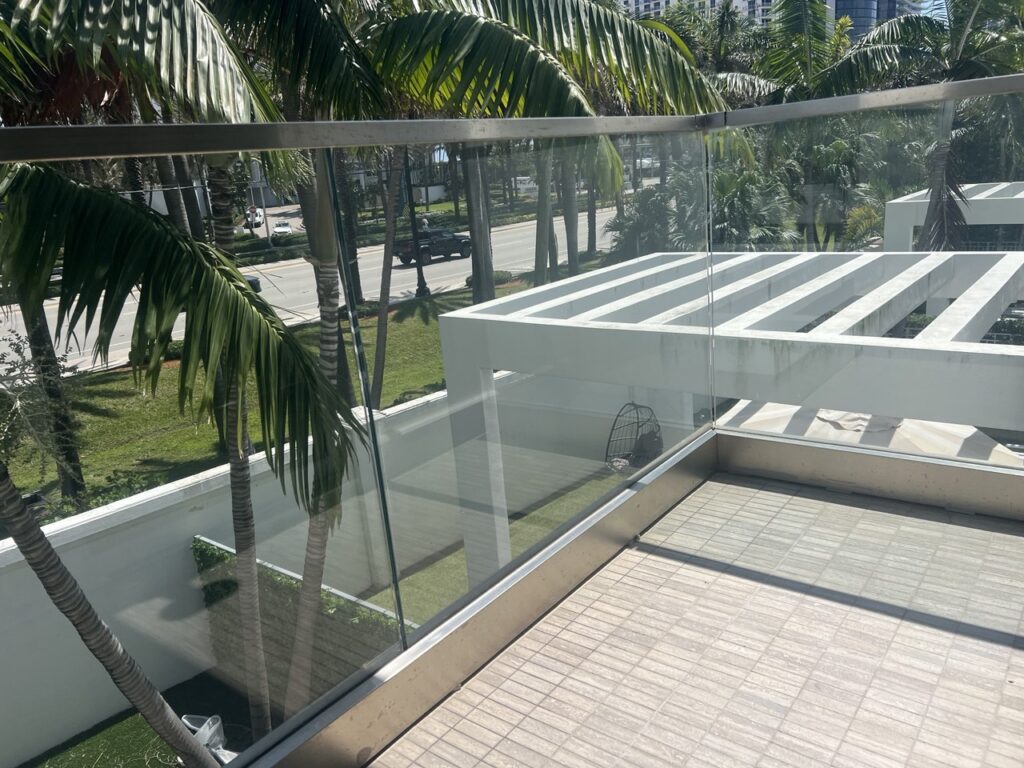
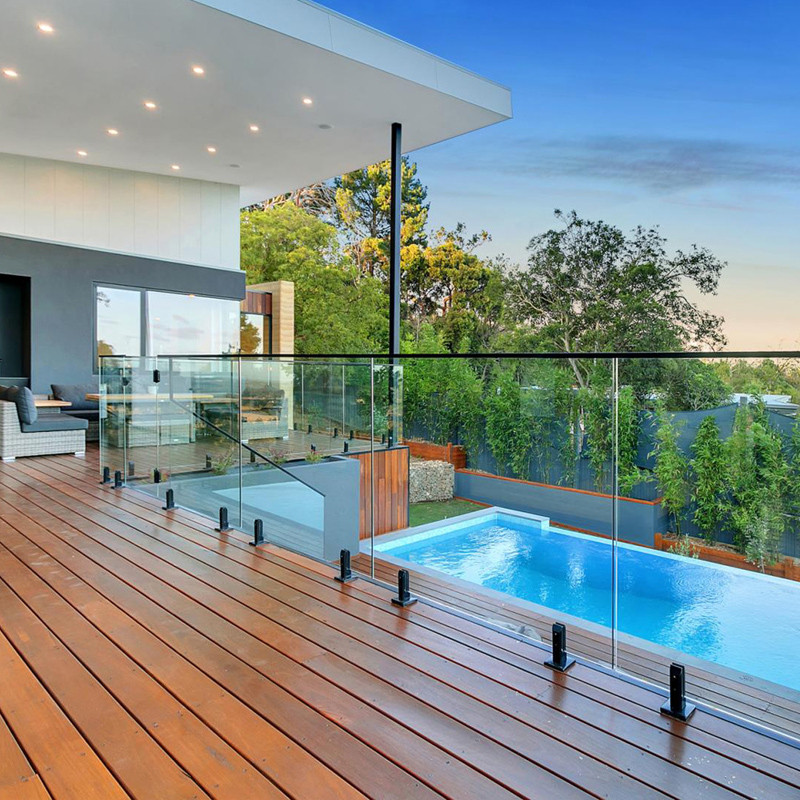
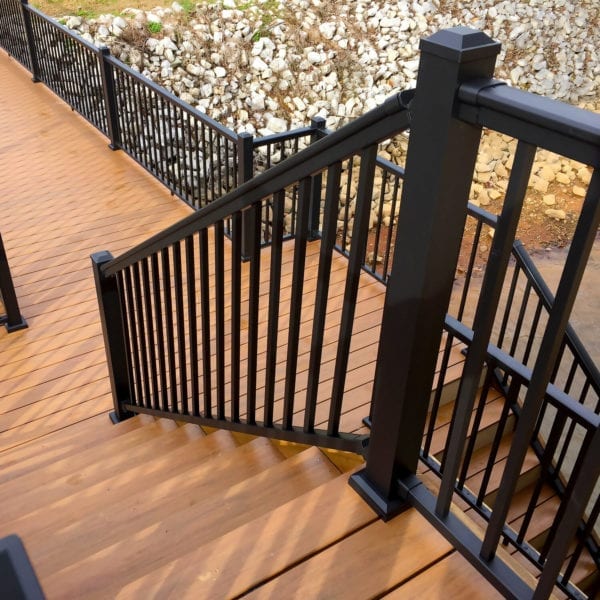
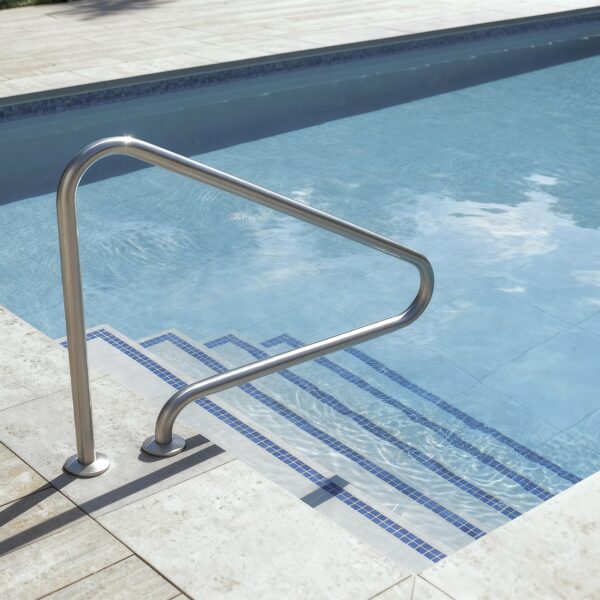
Pool railings
Corrosion-resistant grab rails and handrails for pool steps and deck entries on coastal properties.
What Fort Lauderdale Properties Actually Need
Historic districts and city design review come first
Fort Lauderdale has designated historic districts — Sailboat Bend and Colee Hammock among them — plus the city’s own design review for exterior work, and along the canals and the Las Olas isles the waterfront HOAs add architectural rules of their own. In these neighborhoods, exterior changes visible from the street typically require a Certificate of Appropriateness from the city’s historic preservation program. Smaller projects are often handled at staff level; larger or more visible work goes to the Historic Preservation Board.
For a railing, that means the design conversation and the approval conversation are the same conversation. A frameless glass system that would be unremarkable on a 2010 townhome may need a different approach on a 1920s Mediterranean Revival house where the board is looking at proportions and character-defining details. We identify whether a property sits inside a district before quoting, and we say plainly what that adds to the timeline. Requirements and thresholds are set by the city — confirm your specific address with the Historic Preservation Office.
Fort Lauderdale is in the High-Velocity Hurricane Zone — and the bar is higher
Fort Lauderdale sits in Broward County, which — along with Miami-Dade — makes up Florida’s High-Velocity Hurricane Zone (HVHZ), the strictest wind-load region in the state. Every exterior glass or aluminum railing here has to meet HVHZ product-approval and engineering standards, and along the city’s canals and oceanfront the exposure is higher again. On a waterfront Fort Lauderdale property, that engineering is not optional — it is what keeps the railing standing and passing inspection.
That raises the bar on every job. Exterior railings here are engineered to the wind loads for the specific property, and waterfront and high-rise locations carry higher exposure than a sheltered inland patio. Glass thickness, anchor type and post spacing follow from the property, its height and what the railing is anchored into — not from the county line.
Canal-front homes sit in salt air on three sides
Fort Lauderdale’s canal network puts whole neighbourhoods on the water from more than one side. A house on the Las Olas Isles or in Rio Vista sits in salt air on three sides rather than facing it from one, and the dock-side run takes noticeably more than the street-side run on the same property. In that position builder-grade spigots and clamps pit and weep rust within two or three seasons, staining the deck below, so 316 marine-grade stainless is the specification rather than an upgrade — and we quote hardware per run rather than one spec per house. The trade-offs between the two materials are covered in our glass vs aluminum guide.
Glass stairwells in multi-storey buildings are their own job
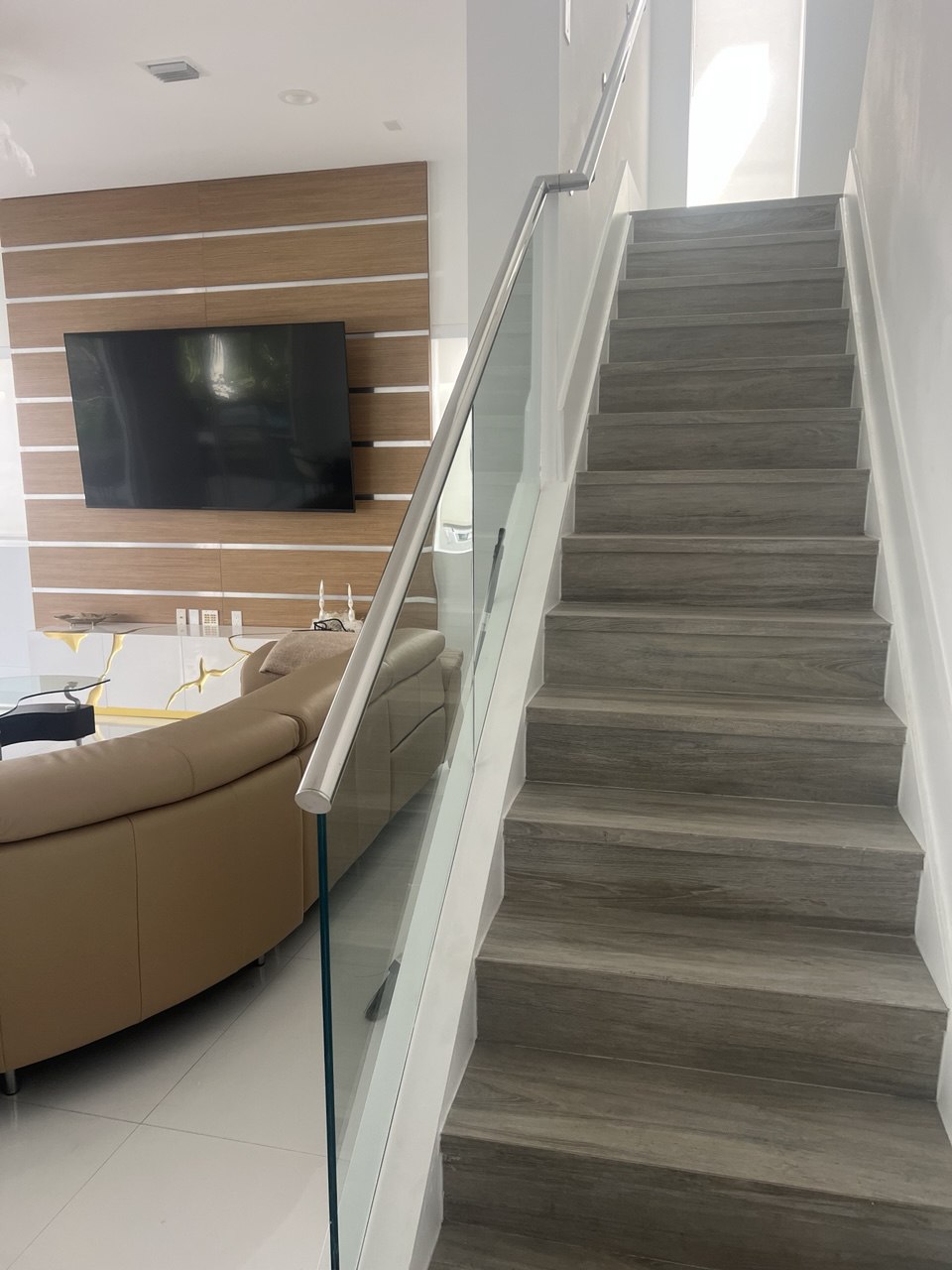
Multi-storey buildings here bring a job type that never comes up on a single house: the glass stairwell. A continuous run of glass up an open stair has to carry a graspable handrail at code height, meet guard loading at every landing, and keep panel joints aligned over several floors in a structure that is rarely plumb. Each panel is templated to its own flight after the stair is surveyed, not cut from the drawings. Buildings also set work hours, elevator reservations, contractor insurance minimums and a finish standard the railing has to match across the property — and because a stairwell is an exit route, the schedule is agreed with the building before anything is cut.
Dock and seawall runs are specified separately
A railing at the seawall lives in a harsher position than anything attached to the house, and it is often the run people replace first. Anchoring into a seawall cap is not the same as anchoring into a slab: the cap is frequently older than the house, sometimes patched, and the fixing has to be set without cracking the edge that is holding the ground back. We core-test the cap before pricing a fixed system, and where it will not take the load we use a surface-mounted base plate spread over a wider footprint instead. Everything in that position is 316 stainless, including the fasteners, because a 304 screw in a stainless post will bleed rust down a white cap within a season.
Access on the Isles decides how the glass arrives
The finger islands off Las Olas were platted long before anyone was carrying oversized glass to a back terrace. Lots are narrow, side setbacks are tight, and the rear elevation often faces the water with no vehicle access at all. That decides panel sizing as much as the design does: a run that would ideally be three large panels sometimes becomes five, because five can be walked through a side gate and three cannot. We check the approach on the measurement visit and size the panels to what can physically reach the installation point, rather than finding out on delivery day.
If a milestone or structural inspection report already exists for the building, it should be reviewed before the railing is priced. Findings about the slab edge or existing anchors change the project — and we won’t set new anchors into concrete that isn’t sound.
our process
How a Fort Lauderdale Railing Project Works
Service Areas
Neighborhoods We Cover in Fort Lauderdale
Las Olas Isles · Rio Vista · Victoria Park · Coral Ridge · Harbor Beach · Colee Hammock · Sailboat Bend · Nurmi Isles · Seven Isles · Lauderdale Harbours · Bay Colony · Downtown & Las Olas
We also cover Palm Beach Island, Lake Worth Beach, Lantana and North Palm Beach from the same schedule.
Trusted By Over 200+ Clients
58
Projects done
4+
years of experience
testimonials
Trusted By Homeowners in Fort Lauderdale & Broward County
Rated 5.0 on Google. Here’s what homeowners across Fort Lauderdale, Boca Raton and the surrounding coast say about working with Safe Railing.






















Permits, Historic Review and Code in Fort Lauderdale
Replacing an existing railing is not automatically permit-exempt, particularly when the mounting surface or structural attachment changes. Requirements differ between the City of Fort Lauderdale and unincorporated Broward County, and condominium properties usually need association approval alongside the permit.
If the property is in a designated historic district, there is an additional step. Exterior work that changes what’s visible from the street typically requires a Certificate of Appropriateness before the building permit proceeds. Coordinating the two matters — starting work before the COA is issued creates a problem that is far more expensive to unwind than to avoid.
Pool barriers are governed separately again. A standard deck railing does not automatically qualify as a pool fence: height, gap limits and gate operation are set by Florida’s Residential Swimming Pool Safety Act. If a pool is part of the project, start with our guide to Florida pool fence code requirements.
We confirm the exact requirements with the city before fabrication, and the written quote states which approvals are our responsibility and which are yours.
FAQ
Frequently Asked Questions
Still have questions?
Not Sure Which Railing Is Right For Your Fort Lauderdale Property?
Glass or aluminum? We break down the real pros, cons and costs for waterfront South Florida homes — including how Intracoastal salt air and Broward County wind-load requirements affect the choice.
Make An Appointment
Get a Free On-Site Quote in Fort Lauderdale
Send your address and a few photos of the installation area, or call and we’ll arrange a site visit. We’ll measure, check the mounting conditions, confirm whether historic review applies, and tell you exactly what the project needs before anything is ordered.
Every day
9:00 AM – 8:00 PM
Call to ask any question