
Do You Need a Permit for a Railing or Glass Pool Fence in South Florida?
Planning a new railing or a glass pool fence in South Florida usually raises one nervous question early on: do I need a permit for this? For most exterior railings and virtually every pool barrier, the answer is yes — and it matters more here than almost anywhere in the country, because coastal Florida’s building and pool-safety codes are among the strictest in the U.S. Here’s a plain-English breakdown of when a permit is required, how it differs by county, and what happens if you skip it.
The Short Answer: Do You Need a Permit?
Permit rules vary by municipality, but the general pattern across South Florida looks like this:
- Glass pool fences & pool barriers — almost always require a permit. They’re regulated safety structures, not decorations.
- Exterior railings (balcony, deck, terrace, exterior stairs) — usually require a permit because they’re structural and load-bearing.
- Interior stair railings — sometimes required, especially when the work affects the guard height or structure.
- Replacing an existing railing — often still requires a permit, even for a like-for-like swap.
The safest assumption in South Florida: if it’s exterior or it’s around a pool, plan on a permit — and let your local building department have the final say.
Pool Fence Permits: Not Optional in Florida

A pool fence is a different animal from a decorative railing. Under Florida’s Residential Swimming Pool Safety Act, every residential pool must have a compliant safety barrier — and installing, replacing, or modifying that barrier is permitted work in nearly every South Florida municipality.
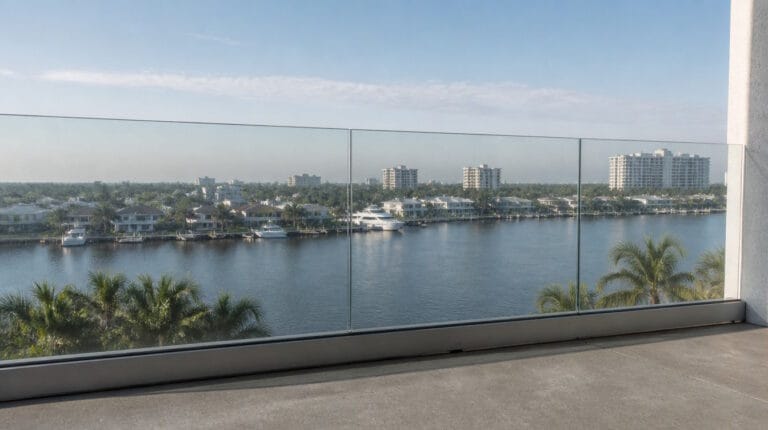
Because it’s a safety structure, inspectors check a pool barrier closely: barrier height, gaps a small child could pass through or climb, and self-closing, self-latching gates. A frameless glass pool fence can meet all of it — but only when it’s permitted, engineered, and installed to the standard your municipality enforces. See our glass pool fence page for how the systems work.
Railing Permits: Balcony, Deck & Stairs
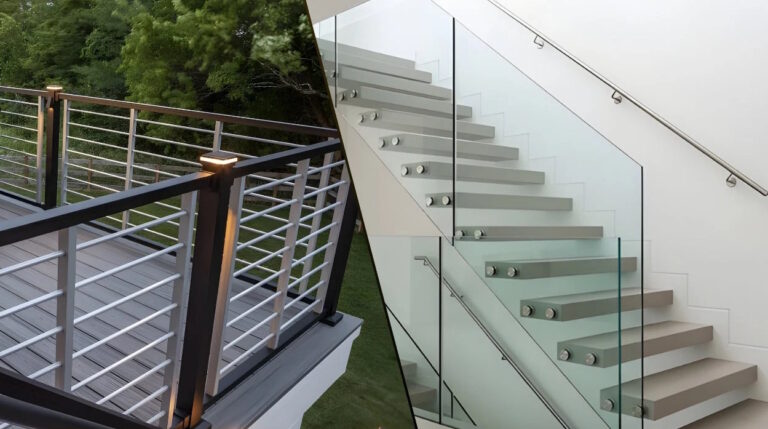
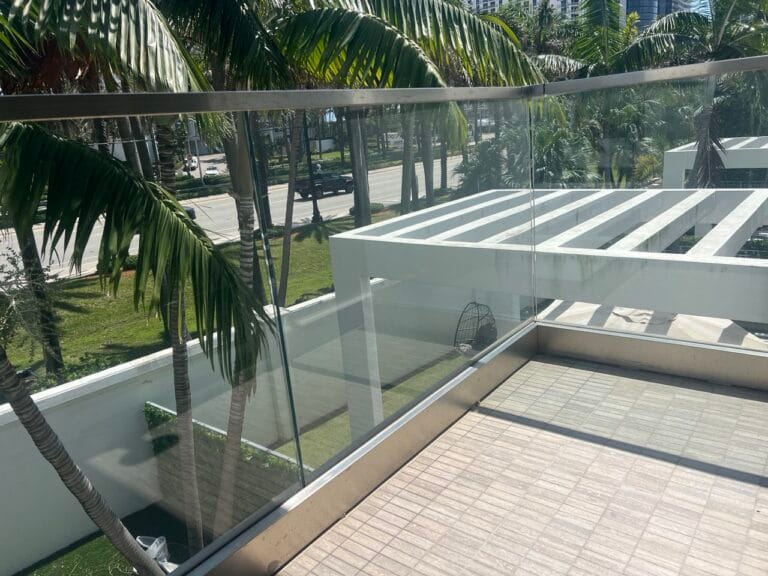
Exterior guardrails carry real structural responsibility — they have to resist both people leaning on them and Florida’s wind loads. That’s why balcony, deck, terrace, and exterior stair railings almost always need a permit. Exterior balcony railings and glass stair railings fall squarely in this category.
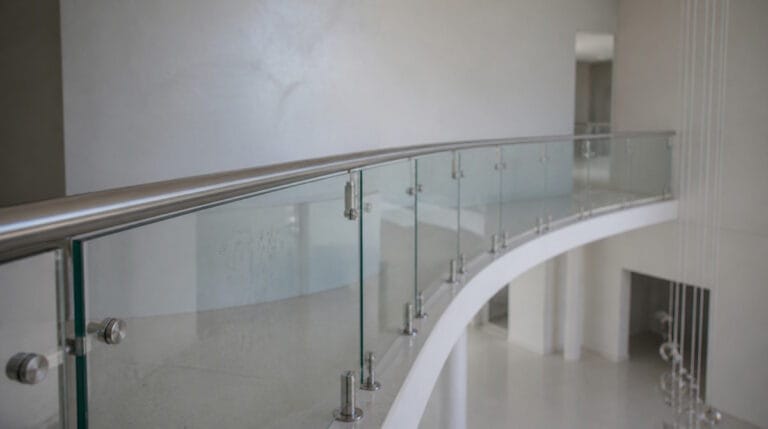
Interior railings are more variable. A purely cosmetic swap on an interior stair may not require one, but anything that touches the guard height, the structure, or the opening it protects usually does. When in doubt, ask before you build — a retroactive permit costs more than an upfront one.
Permit Requirements by County

South Florida isn’t one code. Requirements — and how strictly inspectors enforce them — shift by county, and two of the three are in the High-Velocity Hurricane Zone (HVHZ):
| County | Wind zone | What to expect |
|---|---|---|
| Palm Beach | Standard FL wind-load | Permits for exterior railings & pool barriers; wind-load engineering for exterior glass |
| Broward | HVHZ | Stricter product approvals + wind-load engineering; pool-barrier permits enforced closely |
| Miami-Dade | HVHZ | Requires Miami-Dade NOA (Notice of Acceptance) product approvals; among the strictest in the U.S. |
The takeaway: a system that’s fine in one municipality may need extra engineering or approved products in another. This is exactly where an out-of-area or DIY install goes wrong — and why we confirm the requirements for your specific city before fabrication.
What Happens If You Skip the Permit?
Skipping the permit can feel like saving time and money. It usually costs both later. Unpermitted railing or pool-fence work in South Florida can lead to:
- Fines and stop-work orders from code enforcement
- A failed inspection or a “red tag” requiring the work to be removed and redone
- Problems at resale — unpermitted work surfaces in inspections and title review and can delay or kill a sale
- Insurance and liability exposure if someone is injured and the barrier wasn’t permitted or compliant
- For pools specifically, an unpermitted or non-compliant barrier is a serious safety and legal liability
A cheap, unpermitted install is often the most expensive way to get a railing — because you pay to take it down and do it again correctly.
Who Pulls the Permit — You or Your Contractor?
You have two paths. A licensed contractor can pull the permit as the contractor of record, taking responsibility for code compliance and inspection. Or you can file as an owner-builder — legal in Florida, but it puts the code liability, the paperwork, and the inspection responsibility on you.
For a structural, wind-rated, inspected system like a pool fence or exterior railing, most homeowners are better off letting a contractor who does this every week handle it. At Safe Railing, we build to the code your city enforces and guide you through the permit and inspection process so your project passes the first time.
How Long Does a Permit Take, and What Does It Cost?
Both vary by municipality. Permit fees for residential railing and pool-fence work typically range from modest flat fees to a few hundred dollars, and simple projects can be approved in days while others take a few weeks — longer if engineering, HOA approval, or plan review is involved. We factor the permitting timeline into your project schedule up front, so there are no surprises.
Permits, Engineering & Inspections Work Together
In coastal Florida, a permit rarely stands alone. Exterior glass railings and pool fences often need wind-load engineering and, in Miami-Dade, approved products with a Notice of Acceptance — and every permitted job ends with an inspection. Building to code from the start is what makes that inspection a formality instead of a redo. It’s also why the same railing can cost more here than the national average — see our glass railing cost guide for the full breakdown.
Frequently Asked Questions
Do I need a permit for a glass pool fence in Florida?
In almost all South Florida municipalities, yes. A pool barrier is regulated safety work, and installing, replacing, or modifying one is permitted work that ends with an inspection.
Do I need a permit to replace an existing railing?
Often, yes — even a like-for-like replacement. Because exterior railings are structural and wind-rated, most municipalities require a permit. Confirm with your local building department before the work starts.
Is a permit required for interior stair railings?
Sometimes. Purely cosmetic interior work may not need one, but anything affecting the guard height, structure, or the opening it protects usually does.
What happens if I install a railing or pool fence without a permit?
You risk fines, stop-work orders, a failed inspection requiring removal, and problems at resale or with insurance. For pools, an unpermitted barrier is also a safety and liability issue.
Can my contractor handle the permit for me?
Yes. A licensed contractor can pull the permit as the contractor of record and manage the inspection, which is usually the simplest path for structural, wind-rated work.
Do permit rules differ between Palm Beach, Broward, and Miami-Dade?
Yes. Broward and Miami-Dade are in the High-Velocity Hurricane Zone with stricter product approvals — Miami-Dade requires a Notice of Acceptance (NOA) — while Palm Beach follows standard Florida wind-load requirements. Specifics still vary by city.
Get a Code-Compliant Railing or Pool Fence in South Florida
Safe Railing designs, fabricates, and installs frameless glass and aluminum railings and glass pool fences across Boca Raton, West Palm Beach, Pompano Beach, and surrounding South Florida communities — built to the code that applies to your municipality. We handle the details so your project passes inspection the first time. Tell us about your project for a free on-site consultation and an honest quote.